Environmental care — step by step, little by little
A drop of water, a plastic bag, or a single leaf may seem insignificant, yet these small things deserve our attention. Perhaps protecting the planet begins with everyday habits: finishing the last drop in a bottle, using one less plastic bag, or turning fallen leaves into next year's soil.
TORRINI has remained committed to developing products with a lighter environmental footprint. We try to work with natural materials and ensure that those materials come from more sustainable sources. We want to contribute something to the planet rather than only take from it.
If you also care for the earth and the environment around you, we invite you to join TORRINI.
Leather
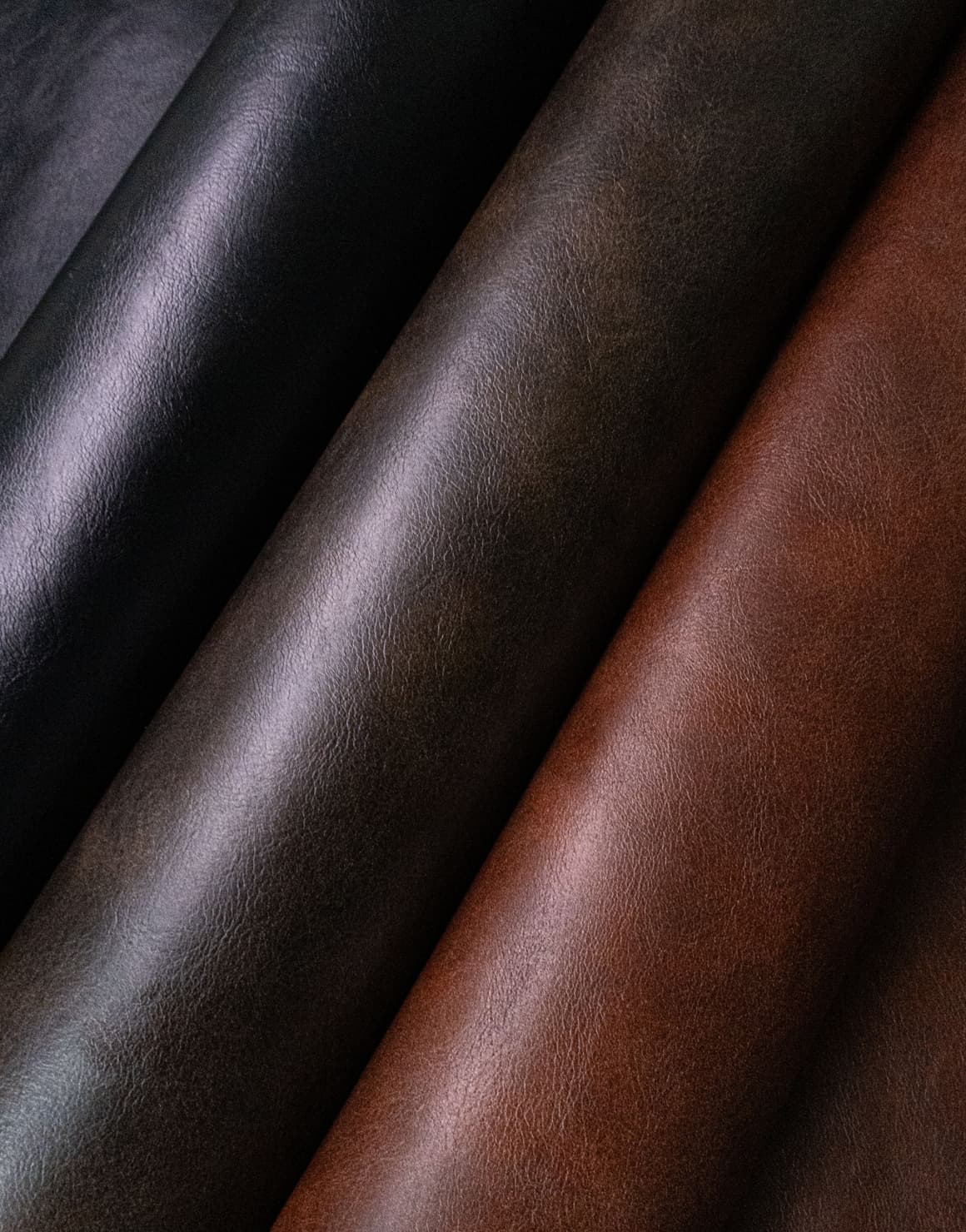
Developing products with sustainable natural leather has long been part of TORRINI's direction.
Raw material selection
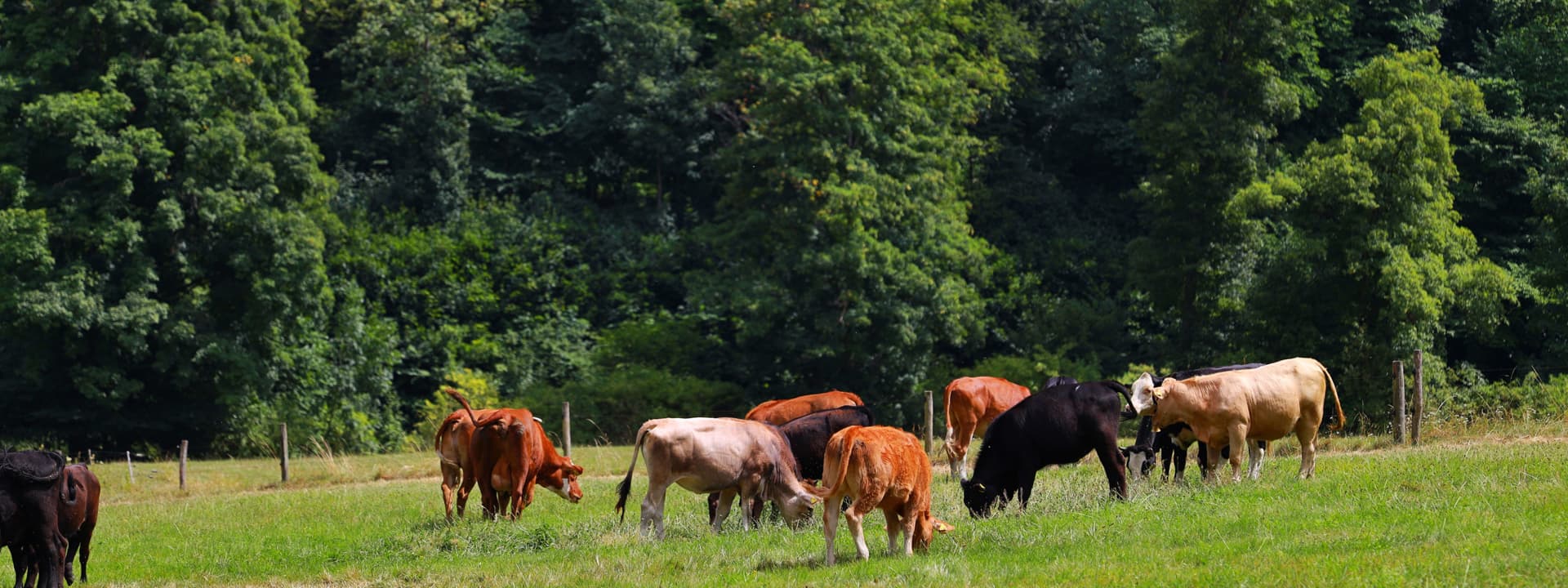
The raw material we use should be a by-product of the meat industry and come from farms that safeguard animal welfare. At TORRINI, human care and ethical responsibility come first. We ensure that hides are never sourced from animals killed solely for their skin.
Tanning process
Leather should be tanned with natural substances such as vegetable tannins wherever possible. The use of synthetic or mineral-based chemicals should be reduced to a minimum. TORRINI primarily works with vegetable-tanned leather and avoids other tanning methods whenever possible. If they are used, they must comply with the highest environmental standards.
Why is genuine leather a sustainable material?
Leather production is often blamed for causing ecological damage, but this overlooks the fact that meat production would continue even if leather production stopped, because the meat industry sits at the core of the wider circular economy.
In that sense, leather can be understood as part of a circular system. It can be regarded as a recoverable material and one of the oldest forms of reuse. If animal hides were not processed at all, greenhouse gas emissions would rise sharply, potentially adding millions of tonnes of carbon dioxide to the atmosphere.
Wood
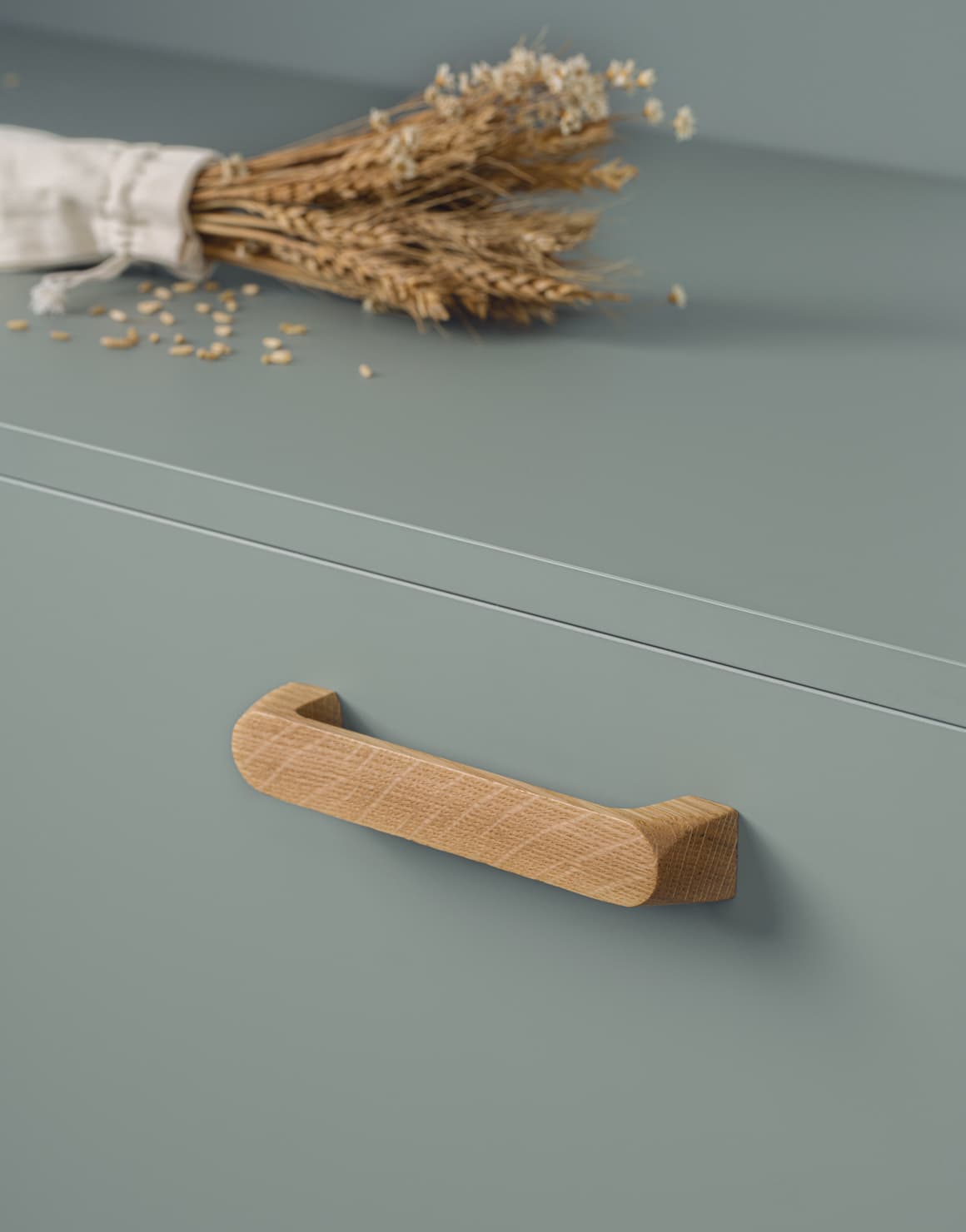
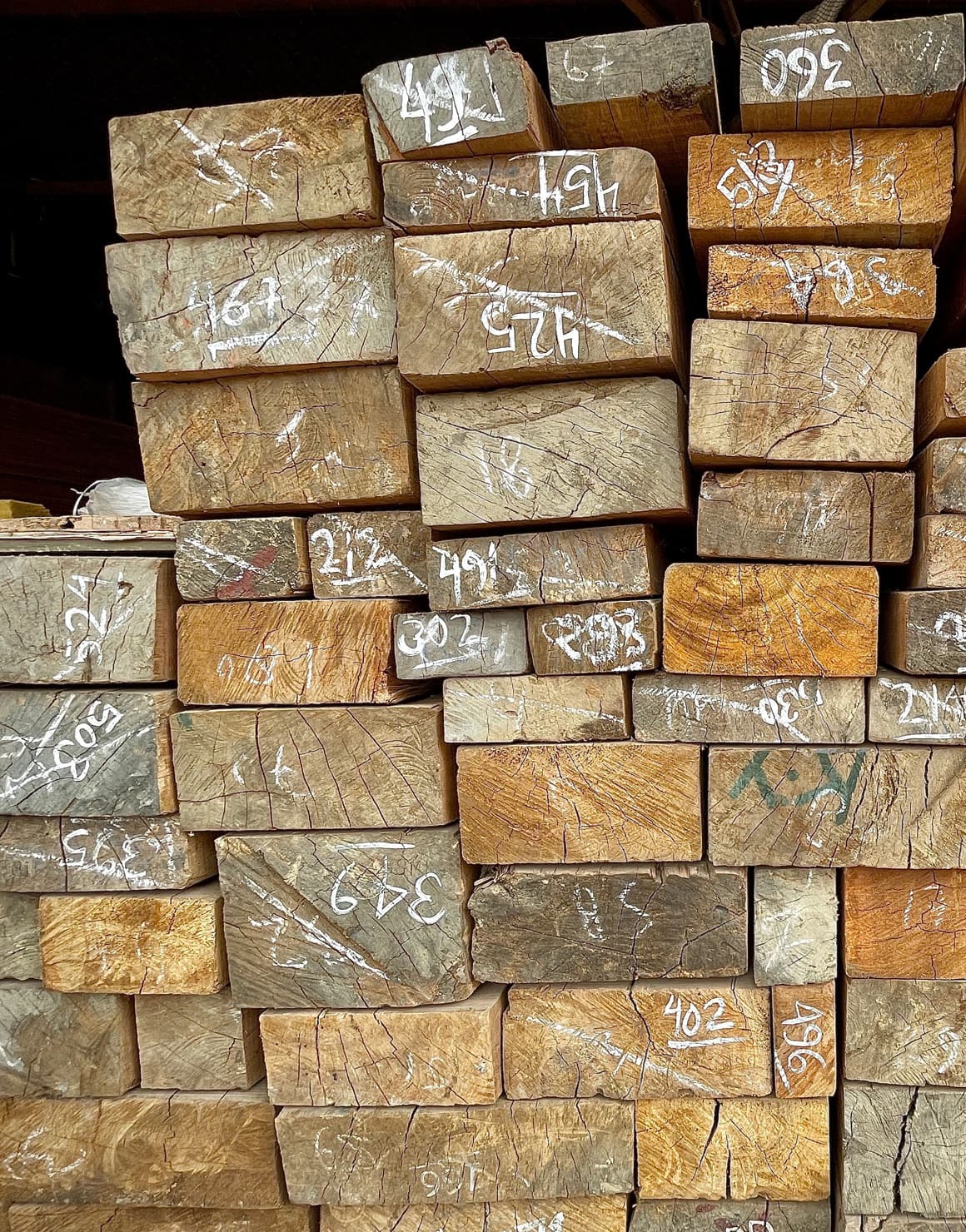
The natural timber we use complies with the highest FSC environmental standards. Selective and thinning cuts help preserve native vegetation and biodiversity while also protecting watersheds and the habitats of endangered animals.
These woods must also meet the highest FAS grading standards, with dense structure and a naturally beautiful grain.